
Ask the Experts: 3D Cell Culture and Assays
About This Webcast
What are the different types of 3D models? How can I evaluate cell-based assays for use in 3D cultures? What assays are optimized for 3D? 3D culture models have many benefits compared to 2D models, including increased physiological relevance and better prediction of in vivo responses to drug treatments. But most existing cell-based assays are designed for 2D cultures and may not produce the same results in 3D cultures. Thus, it is important to understand how 3D structures might impact assay performance and to ensure the assay is optimized for 3D models. Join this webinar as our 3D experts from Corning and Promega answer questions about common methods to form 3D structures, and factors to consider when evaluating cell-based assays for use with 3D structures. Learn about the novel viability and cytotoxicity assays that do not lyse cells and allow for additional multiplexing with nucleic acid purification or other markers of cell function. In this webinar, you will: Discover why 3D culture models outperform traditional 2D models — and how they more closely mimic real biological environments for better, more predictive results. Learn how to evaluate cell-based assays for use in 3D cultures — and understand what factors can impact assay performance when you make the switch. Explore real-time viability and cytotoxicity assays built for 3D — and how non-lytic options that let you do more with your sample through multiplexing. Registration and attendance will also give you access to resources on 3D assays and culture systems.
Speakers

Dr. Terry Riss
Sr. Product Manager, Cell Health , Promega
Dr. Terry Riss started the Cell Biology program at Promega Corporation in 1990 and held several R&D and Project Management positions since. Dr. Riss managed development of cell viability, cytotoxicity, apoptosis, and protease assay systems and also lead efforts to identify and promote multiplexing of cell-based assays to determine the mechanism of cell death. At the time of this webinar, Dr. Riss now served as Senior Product Manager, Cell Health involved in outreach educational training activities including validating assay systems applied to 3D cell culture models. Dr. Riss also serves as an editor of the In Vitro Cell-Based Assays section of the Assay Guidance Manual hosted by The National Center for Advancing Translational Sciences (NCATS) at the NIH.
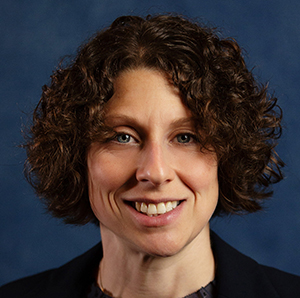
Hilary Sherman
Senior Scientist , Corning Life Sciences
Hilary Sherman is a Senior Scientist in the Corning Life Sciences Applications Lablocatedin Kennebunk, ME. Hilary has been with CorningIncorporatedsince 2005 and has worked with a wide variety of cell types including mammalian, insect,primary, stem cells and organoidsin a vast array of applications. Her key roles at Corning involve creating technical documents such as protocols and whitepapers,as well as providing technical support and training for both the Corning sales force and customers. Hilary received her B.S. degree in Biology from the University of New Hampshire.